The Art of Layering: Mastering Men's Fashion for Every Season
An exploration of the techniques and styles for layering in men's fashion, providing tips for creating versatile and stylish outfits throughout the year.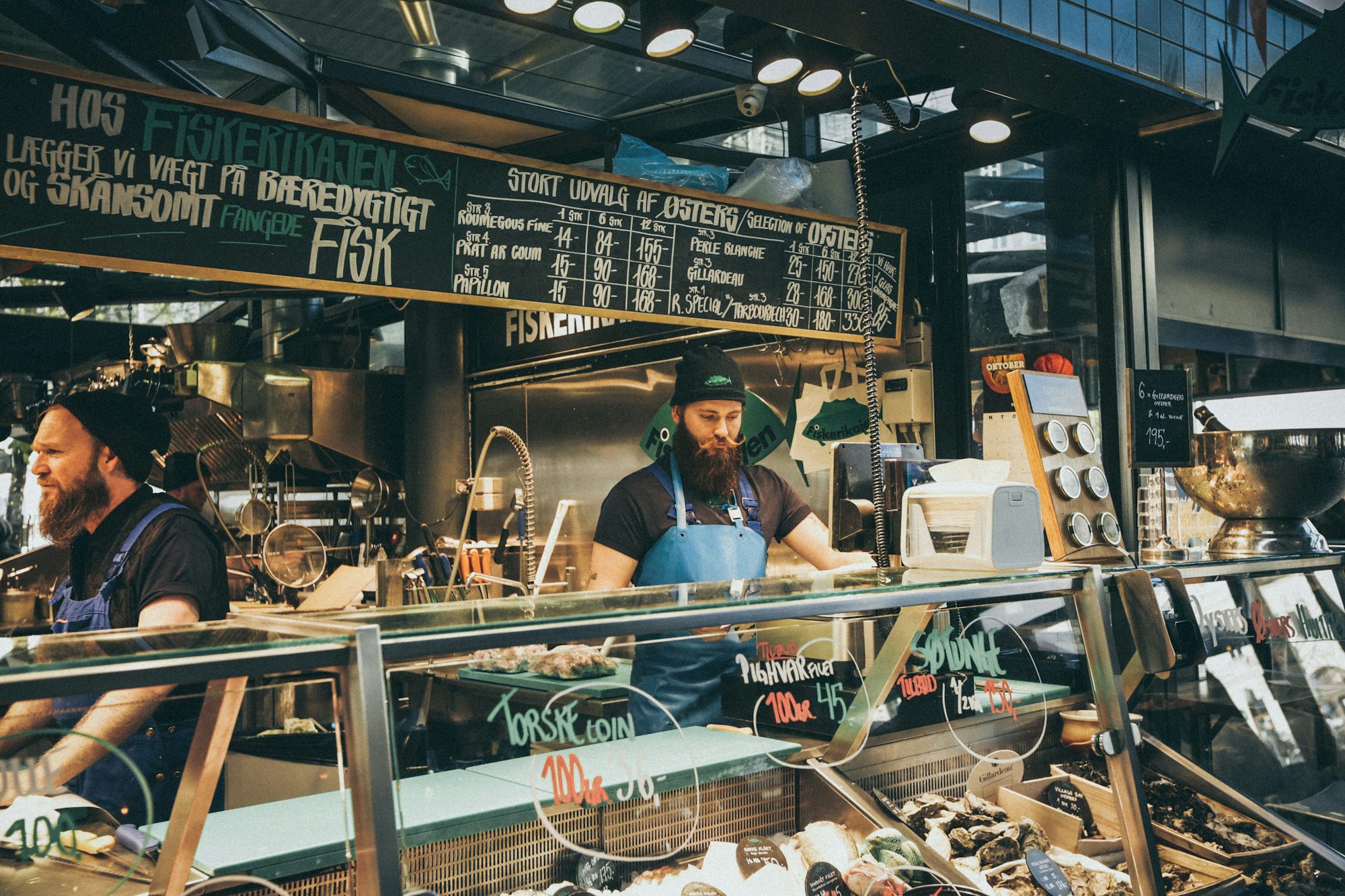
Understanding the Basics of Layering
Layering involves wearing multiple clothing pieces in a way that creates depth and visual interest. The key to successful layering is to combine various lengths, textures, and weights while ensuring comfort and mobility. Generally, layering consists of three main components: the base layer, the middle layer, and the outer layer. Each serves a specific purpose, and when done correctly, can enhance both functionality and style.
The base layer is the foundation of any layered outfit. It typically consists of breathable materials that wick moisture away from the skin, ensuring comfort throughout the day. Popular choices for base layers include fitted t-shirts, long-sleeve shirts, or thermal tops. When selecting a base layer, prioritize fabrics like merino wool, cotton, or moisture-wicking synthetics. These materials provide a comfortable fit without adding bulk, allowing for easy movement.
The middle layer serves to provide warmth and can add visual interest to an outfit. This layer can include sweaters, cardigans, or lightweight jackets. Opt for textures like knits or fleece to create contrast with the base layer while ensuring warmth. When choosing a middle layer, consider the overall silhouette of the outfit; a fitted middle layer works well under a loose outer layer, while a more relaxed middle layer can be paired with fitted outerwear for balance. The colors and patterns of the middle layer should complement both the base and outer layers to create a cohesive look.
Finally, the outer layer serves as protection against the elements and can be a defining feature of the outfit. Options for outer layers include jackets, coats, or vests. Choose outerwear that suits the occasion and weather conditions, such as a sleek blazer for formal events or a rugged denim jacket for casual outings. When selecting an outer layer, pay attention to the fit; it should be roomy enough to accommodate the layers underneath without being overly baggy.
Choosing the Right Fabrics
The choice of fabrics is crucial when it comes to layering. Different materials offer varying levels of insulation and breathability, which can impact comfort and style. In cooler months, opt for heavier fabrics such as wool, flannel, or denim for the outer layers. These materials provide warmth and can be styled in various ways. For spring and fall, lightweight fabrics like cotton or linen work well, offering breathability while still providing coverage.
For summer layering, consider using lightweight, breathable materials for the base and middle layers. Lightweight t-shirts, short-sleeve button-ups, and breathable linen shirts can be layered under lightweight cardigans or unstructured blazers. This approach allows for style without overheating, ensuring comfort during warmer days.
Color Coordination and Patterns
Effective layering also relies on thoughtful color coordination and the use of patterns. A successful layered outfit typically features a balanced color palette. Start with neutral colors for the base layer, such as white, gray, or navy, which provide a versatile foundation. The middle and outer layers can introduce bolder colors or patterns, creating visual interest. When layering, aim for a cohesive look by choosing colors that complement each other.
Patterns can also enhance the depth of an outfit. Stripes, checks, or plaids in the middle layer can add personality without overwhelming the ensemble. However, when incorporating patterns, balance them with solid colors in the base and outer layers to avoid clashing. For instance, a striped sweater can pair well with a solid white shirt and a navy blazer, creating a polished yet stylish appearance.
Layering for Different Seasons
Adapting layering techniques for each season is essential for maintaining style and comfort. In the winter, focus on heavier fabrics and insulated outer layers. A warm wool sweater worn under a tailored coat, paired with a scarf and gloves, creates a sophisticated and functional look. Layering thermal tops under shirts can provide additional warmth without sacrificing style.
In spring and fall, experiment with lighter fabrics that allow for versatility. A lightweight cardigan over a fitted t-shirt can be layered under a casual jacket. As temperatures fluctuate, these layers can be easily added or removed, making them practical for changing conditions. Incorporating accessories like scarves or hats can also enhance style while providing extra warmth.
During summer, layering can still be effective by opting for breathable materials. A short-sleeve button-up layered over a basic tank top can create a relaxed look. Pairing lightweight shorts with a loose, unstructured blazer adds a touch of sophistication while keeping the outfit comfortable. The key is to choose fabrics that keep you cool while still looking put together.
Accessorizing for Layered Outfits
Accessories play a vital role in completing a layered look. They add personality and can help tie the entire outfit together. When layering, consider using accessories like scarves, hats, or watches to enhance your style. A well-chosen scarf can add a pop of color and texture, while a stylish watch can serve as a subtle statement piece.
When selecting accessories, ensure they complement the overall outfit without overwhelming it. A minimalist approach often works best; choose one or two standout pieces rather than overwhelming the look with too many accessories. This allows for a polished appearance while still showcasing personal style.
Practical Tips for Layering
To master the art of layering, consider the following practical tips:
1. Fit is Key: Ensure each layer fits well to avoid bulkiness. Slimmer base layers allow for more relaxed middle and outer layers.
2. Play with Lengths: Experiment with different lengths to create visual interest. Longer layers can peek out from shorter ones for added depth.
3. Use a Color Wheel: Familiarize yourself with complementary colors to enhance coordination. This can help you mix and match pieces effectively.
4. Stay Comfortable: Prioritize comfort alongside style. Choose fabrics and fits that allow for ease of movement.
5. Invest in Versatile Pieces: Look for items that can be worn in multiple ways or styled for various occasions, ensuring you get the most out of your wardrobe.
In conclusion, mastering the art of layering is an invaluable skill for any man looking to enhance his wardrobe. By understanding the basics of layering, choosing the right fabrics, and coordinating colors and patterns, men can create stylish outfits suitable for every season. Layering not only provides practical solutions for fluctuating temperatures but also allows for personal expression through fashion. With practice and creativity, layering can become a seamless part of a man’s style repertoire, leading to versatile, polished looks year-round.